
World
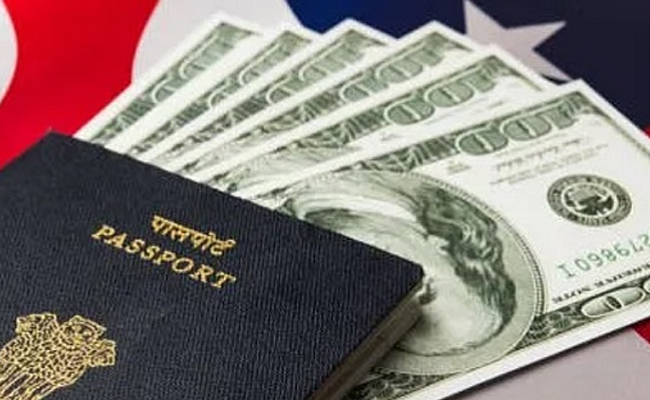
From oil to rice, the United States refuses to accept any trade that can even hypothetically affect "MAGA" interests. A punitive tariff has already been imposed on India for purchasing "sanctioned" Russian oil, taking the total "reciprocal tariff" up to 50 per cent for several commodities.
The US instead wants New Delhi to buy American oil, even at comparatively higher costs. And while it wants American farm produce to enter India, the reverse is not welcome, yet.
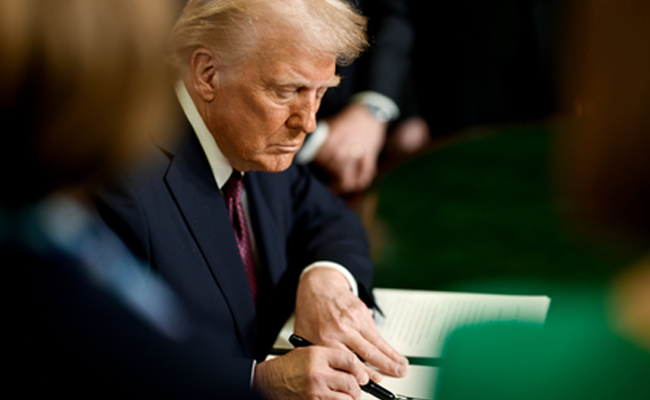
US President Donald Trump's main concern with Indian rice is that he has been told India is "dumping" rice into its market, undercutting American farmers and driving down domestic prices. He has threatened new tariffs on Indian rice exports to protect US agriculture.
The term "dumping" was used to describe Indian exports that distort competition with US rice farmers complaining that imports from India, Thailand, and Vietnam are "depressing prices".
New Delhi is already facing some of the highest US tariffs on its exports. With White House signalling additional duties specifically targeting Indian rice, there may arise complications in the ongoing bilateral trade negotiations. Some reports quoted analysts saying that the threats may be driven more by domestic politics than trade logic.
The US is only a small market for Indian rice (about 2.74 lakh tons out of 60.65 lakh tons exported in 2024–25); higher tariffs would likely hurt American consumers more than Indian exporters, especially for premium basmati rice.
Meanwhile, a White House document has underscored the need for trade and strategic partnership with New Delhi.
The 'National Security Strategy of the United States of America, November 2025' also reflected an interest in working "to align the actions of our allies and partners with our joint interest in preventing domination by any single competitor nation".
Washington's foreign policy is oscillating between confrontation and conciliation, producing a cocktail of tariffs, strategic deals, and selective outreach that is reshaping its ties with both India and China.
The result – closer tactical cooperation with India in some areas, but also friction; and with China, a mix of competition and transactional engagement.
After threatening China with tariffs running up to 130 per cent and freezing bilateral trade talks, President Trump publicly revived the "G2" idea in Busan, South Korea, on October 30.
Ahead of his meeting with China's President Xi Jinping, he posted on Truth Social: "THE G2 WILL BE CONVENING SHORTLY!” and later described the summit as a “great one” that would bring “everlasting peace”. Several concessions followed the Busan talks, with China pledging to buy American soybean and easing strictures on the export of rare earths.
And about one month later, White House released a document announcing its interest in aligning with the joint interest in preventing domination by "any single competitor nation".
It further stated "to encourage New Delhi to contribute to Indo-Pacific security, including through continued quadrilateral cooperation with Australia, Japan, and the United States".
The last part is an important message to the other three leaders of the Quad. With Beijing, White House policy has been simultaneously confrontational and transactional. While the US National Security Strategy frames China as a primary strategic competitor, recent moves – such as permitting certain AI chip exports under strict conditions – show selective engagement where US economic interests align.
While punitive measures push partners toward hedging, transactional openings create short-term cooperation on narrow issues. The triangular dynamic between the US, India, and China is one of the most consequential features of contemporary geopolitics.
Washington's approach to New Delhi and Beijing reveals both the opportunities and the constraints of American strategy in Asia. While India is framed as a partner and a critical player in the Indo-Pacific, China is cast as the principal strategic competitor. This divergence in framing sets the tone for how President Trump manages relations with the two countries.
Advertisment