
World
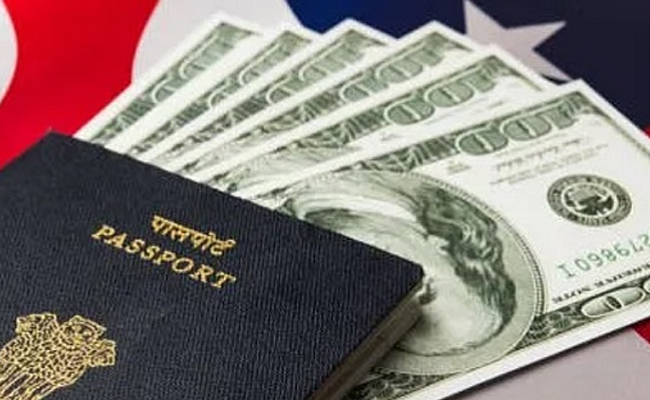
For many young people across the world, especially in India, the United States has long been a land of opportunity and aspiration. From the wealthy to the lower middle class, countless Indian youths dream of settling in America. There is a strong belief that securing a job in the U.S. means a settled and successful life.
For those who pursue IT courses in particular, going to America is considered a golden dream. Many are willing to face hardships or even take loans to make it happen. However, the American dream now appears to be gradually fading. Former President Donald Trump had already tightened visa procedures, and stricter measures against illegal immigration have created anxiety among foreign nationals.
In this backdrop, a major development has emerged that could worry lakhs of Indian IT professionals and aspirants. Republican Representative Greg Steube from Florida has introduced a key bill in the U.S. Congress seeking the complete termination of the H-1B visa program. The bill, titled the “Ending Exploitative Imported Labor Exemptions (EXILE) Act,” aims to amend U.S. immigration laws and eliminate the H-1B visa system.
Steube argues that prioritizing foreign workers over American citizens goes against U.S. national interests. He claims that corporations hire foreign workers at lower wages, depriving American youth of job opportunities. According to him, protecting the “American Dream” for American citizens requires curbing what he calls exploitation of imported labor.
If this bill is passed into law, it could severely impact the dollar dreams of lakhs of Indian tech professionals. Many Indians aspiring to settle in the U.S. may be forced to reconsider their plans. The H-1B visa allows highly skilled foreign professionals to work in the United States, with nearly 80% of beneficiaries reportedly being Indian and Chinese nationals.
Critics argue that the program affects American jobs and wages. For lakhs of Indian software engineers, the H-1B visa has been the primary gateway to the U.S. Now, with this proposed bill, that gateway faces uncertainty. The “American Dream” that thousands chase every year could face a major setback.
While the proposed bill seeks to cancel the program, the U.S. State Department has already strengthened existing regulations. Under new rules implemented from December 15 last year, scrutiny of H-1B and dependent H-4 visa applicants has intensified. Authorities are closely examining applicants’ social media profiles to assess whether their posts or opinions conflict with U.S. security or national interests.
Since a majority of H-1B beneficiaries are Indians, these developments have raised serious concerns. If the visa program is abolished, not only new applicants but also those already residing in the U.S. and waiting for green cards could face uncertainty. The cancellation of H-1B visas would also automatically affect H-4 dependent visas, potentially leaving thousands of families in a difficult and uncertain situation.
Advertisment